The Seer and the Seen
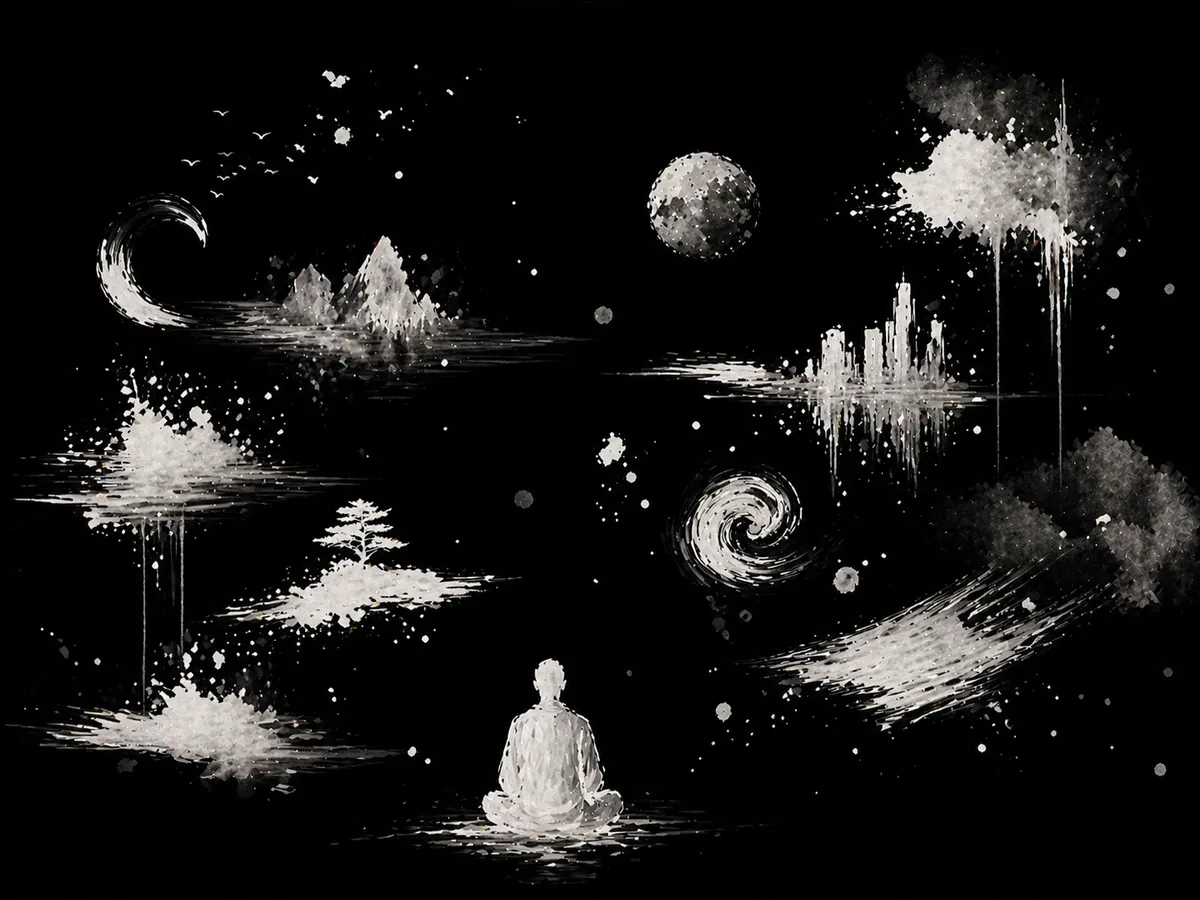
Up to this point, something has become clear.
Things can be observed:
Thoughts appear. They change. They pass.
Perceptions shift:
What is seen. What is heard. What is understood.
Even identity is not fixed:
It adjusts. Reforms. Reinterprets.
All of this has something in common:
It is seen.
It appears.
It changes.
It does not remain the same.
This distinction is simple.
But it has consequences.
What is seen is not stable.
It comes and goes.
⸻
Now consider the other side:
That which sees.
It does not appear in the same way.
You can observe a thought.
But can you observe the one who observes it?
You can notice a perception.
But can you notice the perceiver as an object?
If you try, something subtle happens.
Another thought appears.
Another image.
Another idea.
And that too can be seen.
So it does not resolve the question.
The seer does not show up as something that can be seen.
And yet, it is not absent.
Everything is still being known.
So a distinction becomes clear.
The seen changes.
The seer does not appear to change in the same way.
⸻
The seen can be pointed to.
The seer cannot be pointed to as an object.
Because it is what does the pointing.
This has been expressed in different ways.
In Sanskrit, it is called dṛg-dṛśya-viveka.
The distinction between the seer and the seen.
Not as a theory.
As a direct observation.
What is seen is always changing.
What sees it does not appear in the same way at all.
→ Next post in the Series
← Back to The Missing Step Series